April 25, 2026 • Saoirse Pellegrini • 9 min reading time • Prices verified June 17, 2026
Elbow Gloves for the Diamonds Are a Girl's Best Friend Look: What to Buy
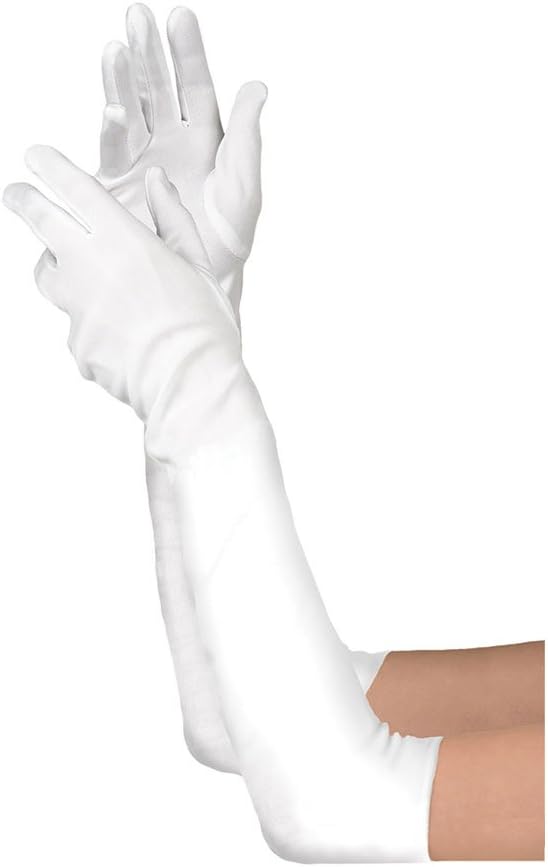
If you’ve ever seen the 1953 film Gentlemen Prefer Blondes, you know the moment: Marilyn Monroe in a strapless pink satin gown, long gloves running up past her elbows, rhinestones everywhere. Those gloves are called opera gloves or elbow gloves — the two terms mean the same thing, and you’ll see both used interchangeably. They’re the long formal gloves that reach from the hand up to the elbow or several inches above it, and they’re one of the most recognizable pieces of the entire “Diamonds Are a Girl’s Best Friend” look. If you’re building that costume — whether for Halloween, a themed party, a burlesque performance, or a photo shoot — getting the gloves right is the difference between “generic costume” and “she actually looks like Marilyn.” This guide walks you through exactly what to look for, what separates a $10 pair from a $60 pair, and which specific options are worth your money at each budget level.
What Actually Makes a Glove “Right” for This Look
Before you add anything to your cart, it helps to understand what the original look actually called for. As Smithsonian Magazine notes in its coverage of Monroe’s most iconic costumes, the “Diamonds Are a Girl’s Best Friend” number was designed by William Travilla with theatrical precision — every element was chosen to photograph well under studio lighting and read as glamorous from the back row of a theater. The gloves in that number were hot pink, matching the gown, and they extended to just above the elbow, what the industry calls “opera length” (roughly 16 inches from the base of the thumb to the top of the glove).
Here’s what that means for your purchase decision:
Length. Opera-length gloves are typically described in “button lengths” — a vintage measurement where one button equals one inch from the base of the thumb. A true opera glove is 16 button lengths or more. When you’re shopping, look for listings that say “opera length,” “16-button,” or “elbow-length and above.” Anything shorter is a different style entirely and will read as off-reference to anyone who knows the look.
Color. The signature “Diamonds” look uses hot pink gloves. However, the broader Marilyn Monroe costume universe also includes white or ivory opera gloves (associated with her white halter dress and other classic appearances). If you’re specifically targeting the pink gown scene, do not substitute white — they’re different outfits. If you’re building a general Marilyn look, white gloves are more versatile across multiple reference points.
Material. The original gloves were satin — smooth, slightly shiny, and structured enough to hold their shape on camera. Vogue’s retrospective on opera gloves in formal fashion notes that satin and stretch satin became the default material for theatrical and costume opera gloves because satin photographs well and holds color vibrancy under stage lighting. For costume purposes, you’ll encounter three main materials: stretch satin (the most common, easiest to put on, forgiving on hand size), matte satin or duchess satin (slightly more structured, closer to a formal glove), and spandex or lycra blends (the most budget-oriented, less visual depth).
By the Numbers: Glove Length at a Glance
| Label You’ll See | Button Length | Reaches To | Right for This Look? |
|---|---|---|---|
| Wrist / shorty glove | 1–4 buttons | Wrist | No |
| Elbow glove | 8–12 buttons | Elbow | Borderline — check photos |
| Opera glove | 16+ buttons | Above elbow | Yes |
| Shoulder / evening glove | 20–23 buttons | Near shoulder | Yes (formal/stage) |
Budget Tier ($10–$25): What You Get and Where It Falls Short
At the $10–$20 price point, you’re almost always looking at a stretch polyester or spandex blend glove. The upside: these are genuinely easy to find on Amazon, they come in hot pink, they pull on without fuss, and from three feet away in a group Halloween photo, they read as the right look. Many costume buyers report in aggregated Amazon reviews that these work well for single-night wear and photograph reasonably well in phone-camera lighting.
The tradeoffs are real, though. Reviewers consistently note that at this price point:
- The material has a slight sheen imbalance — it can look plastic-adjacent rather than satiny, especially in direct flash photography.
- Sizing runs inconsistent. Many buyers in reviews describe ordering a size up because the wrist opening is narrower than expected.
- The “hot pink” color can skew either coral or magenta depending on the dye lot — it may not match a separately-purchased pink gown.
Our read on the budget tier: Fine for one Halloween night, photo booth use, or as a backup pair. Not the right call if you’re doing a photo shoot, performing on stage, or putting together a look you’ll wear more than once.
Mid-Range Tier ($25–$60): The Sweet Spot for Most Buyers
This is where the decision gets interesting, and where most buyers — including party hosts, burlesque beginners, and serious Halloween shoppers — should be spending their money.
In the $30–$55 range, you start seeing stretch satin construction, which is meaningfully different from pure polyester. Stretch satin has a woven face that catches light the way fabric should — not with a plastic shimmer, but with the soft, directional glow that reads as “formal” in photographs. Harper’s Bazaar’s guide to building 1950s-inspired formal looks specifically points to stretch satin as the material that bridges theatrical recreation and wearability.
What to look for at this tier:
- Listings that explicitly say “stretch satin” or “duchess satin” in the product description (not just “shiny”)
- A stated length of 16 buttons / opera length — not just “long gloves”
- Seamless or flat-seam construction along the palm — cheap gloves often have a bulky seam that shows through photos
- Color-match guarantees or “sold as set” listings if you’re buying the glove alongside a gown from the same seller
Specific things reviewers flag as worth paying for in this tier:
Across aggregated reviews on mid-range costume glove listings, owners consistently report that the stretch-satin versions hold their shape across a full night of wear, don’t roll down at the top (a common complaint with budget pairs), and photograph with noticeably better fabric depth. Several reviewers doing burlesque performances note that mid-range satin gloves survive the “glove pull” — the slow dramatic removal that’s a staple of burlesque choreography — without tearing at the wrist seam, which budget pairs frequently don’t.
Professional Tier ($60–$150+): When It Has to Be Right
If you’re a tribute artist, theatrical wardrobe director, or stylist preparing a high-resolution photo shoot, the mid-range tier may still leave you with compromises. At $75 and above, you’re entering the range of formal evening gloves made for actual wear — not the costume aisle.
The Costume Society of America’s published guidelines on period accessory recreation note that authentic 1950s opera gloves were constructed from kid leather (extremely fine leather) or silk satin, materials that drape and conform to the arm differently than modern stretch synthetics. While true kid leather gloves are difficult to source and typically priced above $200, the professional costume tier offers a middle path: silk-blend satin gloves and stretch velvet opera gloves that are manufactured for formal wear but also serve theatrical purposes.
At this tier, look for:
- French seaming or fully-lined construction — reviewers in professional theatrical costume communities consistently describe this as the marker of a glove that lasts multiple performances
- Declared denier or weight — formal glove manufacturers typically publish the fabric weight; heavier is more structured and more accurate to the 1950s silhouette
- Color accuracy to the Travilla design: Pantone-adjacent descriptions like “fuchsia” or “deep rose” rather than generic “pink”
Vanity Fair’s reporting on Monroe memorabilia and costume auctions makes clear that surviving pieces from the era show construction details — reinforced thumb gussets, deep-cut wrist panels — that simply don’t appear in modern costume-tier products. You won’t replicate museum quality at $100, but you can get meaningfully closer than the $15 Amazon version.
The Color-Matching Problem (and How to Solve It)
One issue that catches buyers off guard: hot pink is not a standardized color. The gloves, the gown, and any accessories you purchase separately may all be labeled “hot pink” while being genuinely different hues. This is especially a problem if you’re buying from different vendors.
The cleanest solution — flagged repeatedly by costume stylists and theatrical buyers in published reviews — is to buy the gloves and the gown as a matched set from a single seller who explicitly photographs them together. Several Etsy ateliers offer the full “Diamonds” look as a coordinated bundle; this eliminates dye-lot mismatch almost entirely.
If you’re sourcing separately, ask sellers for a fabric swatch or request additional photos against a neutral background. Reviewers who describe color-mismatch problems almost universally report buying from two different platforms without checking against each other first.
Decision Rule: Which Tier Is Right for You
Here’s the straightforward version:
-
If you’re wearing this once — Halloween, a friend’s themed party, a one-night event — buy in the $25–$45 stretch satin range. You’ll get a look that photographs well without spending more than the occasion warrants.
-
If you’re performing — burlesque, tribute show, theatrical production — spend $50–$80 minimum and prioritize flat-seam construction and confirmed opera length. Reviewers in performance contexts consistently flag seam integrity and length stability as the two things budget gloves fail at first.
-
If this is for a photo shoot or collector-level costume — go to $75 and above, source from a formal glove manufacturer or bespoke Etsy atelier, and treat the gloves as a fashion accessory rather than a costume piece. The visual difference in high-resolution photography is documented by stylists across editorial coverage on platforms like Harper’s Bazaar and Vogue.
The gloves are a small piece of the overall budget but a disproportionately visible one — they’re in almost every frame of the look. Getting the length right (opera, not elbow), the material right (stretch satin minimum), and the color matched to your gown will do more for the overall impression than almost any other accessory decision. That’s the call we’d make, and it’s the one the research supports.